
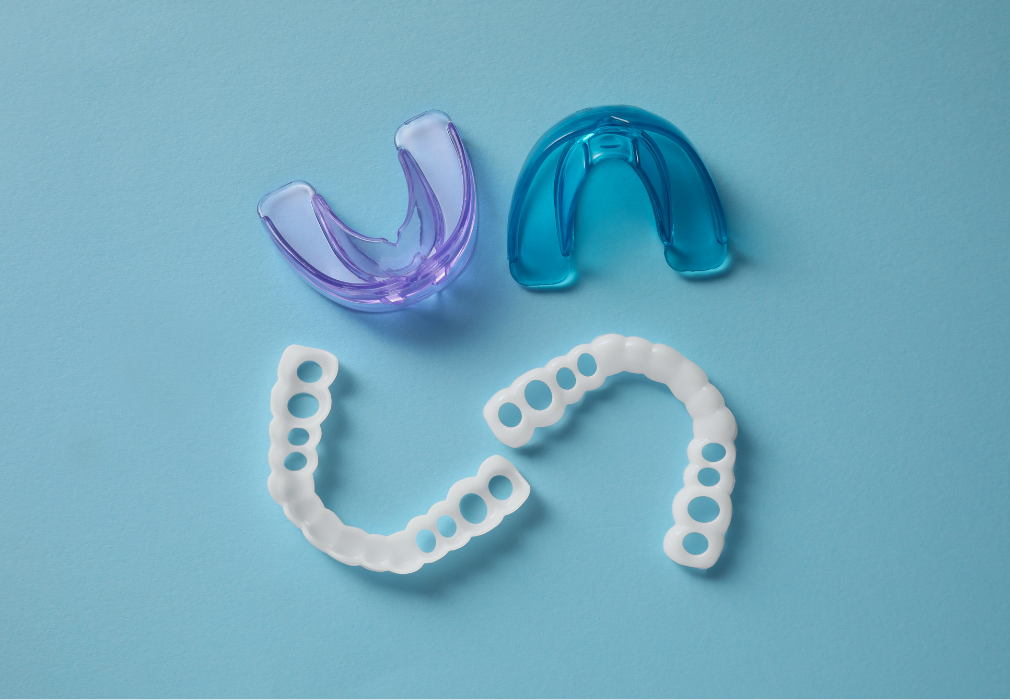
Whether you’re playing contact sports or dealing with nighttime teeth grinding, protecting your teeth is more important than many realize. Mouth and night guards are simple, effective tools that help prevent long-term dental damage, preserve your enamel, and even improve your comfort and sleep.
Let’s take a closer look at what these guards do, who they’re for, and why they’re worth considering.
The Difference Between a Mouth Guard and a Night Guard
Although they’re sometimes used interchangeably, mouth guards and night guards serve distinct purposes:
- Mouth guards are typically worn during physical activities to prevent injuries to the teeth, lips, tongue, and jaw. They’re essential for sports like football, hockey, basketball, and martial arts.
- Night guards (also called occlusal guards or bite splints) are worn while sleeping to protect against teeth grinding or clenching (a condition known as bruxism).
Both types of guards act as a protective barrier, but they’re designed differently to handle the unique stress of each situation.
Why Do People Wear Night Guards and Why Do They Matter?

Bruxism often occurs during sleep, and many people don’t even realize they’re grinding their teeth. Over time, this unconscious habit can lead to:
- Worn or flattened teeth
- Tooth sensitivity or fractures
- Jaw pain and muscle soreness
- TMJ disorders
- Tension headaches
- Disrupted sleep
A custom-fitted night guard can reduce these risks by absorbing and redistributing the force caused by grinding. While it won’t stop bruxism entirely, it can prevent lasting damage and ease discomfort.
The Role of Mouth Guards in Sports
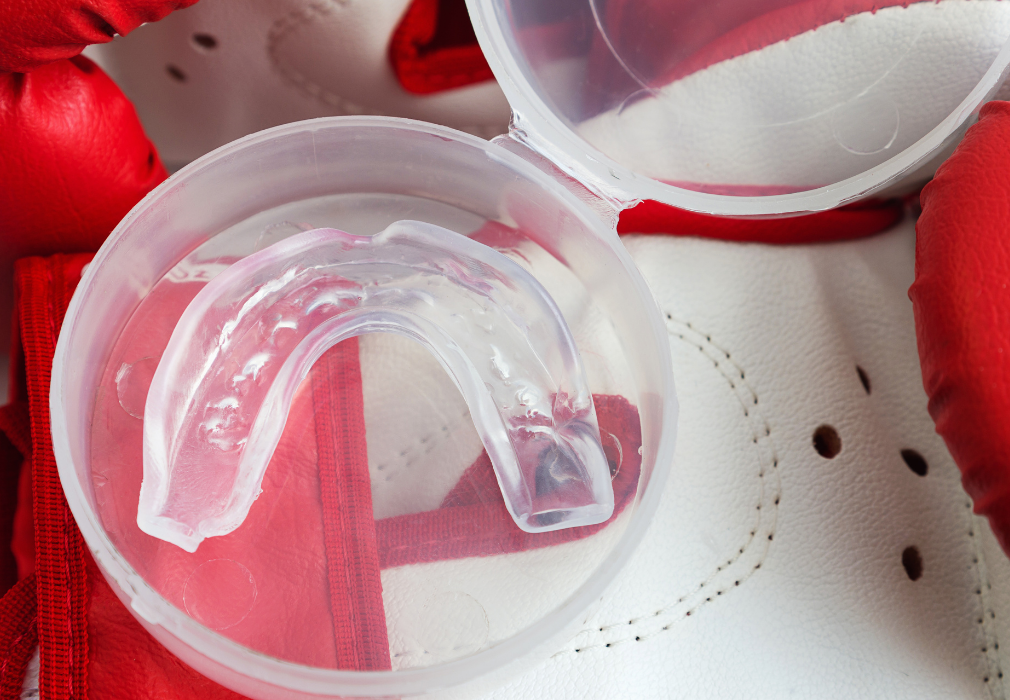
Dental injuries are among the most common sports-related injuries. A properly fitted sports mouth guard cushions the face and jaw, helping prevent:
- Broken or knocked-out teeth
- Lacerations to lips, cheeks, or tongue
- Jaw injuries or dislocations
According to the American Dental Association, athletes are 60 times more likely to experience dental injuries when not wearing a mouth guard. Whether you are 10 years old or 40, mouth guards are strongly recommended for anyone participating in contact or high-risk sports.
Types of Mouth and Night Guards
Understanding your options can help you choose the best guard for your needs:
- Stock Guards – Pre-formed and ready to wear. Inexpensive, but often uncomfortable and poorly fitting.
- Boil-and-Bite Guards – Molded at home by softening the material in hot water. Better fit than stock options, but still limited.
- Custom-Fitted Guards – Made by a dentist using impressions or digital scans. These offer the best comfort, protection, and longevity, especially important for heavy grinders or those with dental restorations.
Care and Maintenance Tips
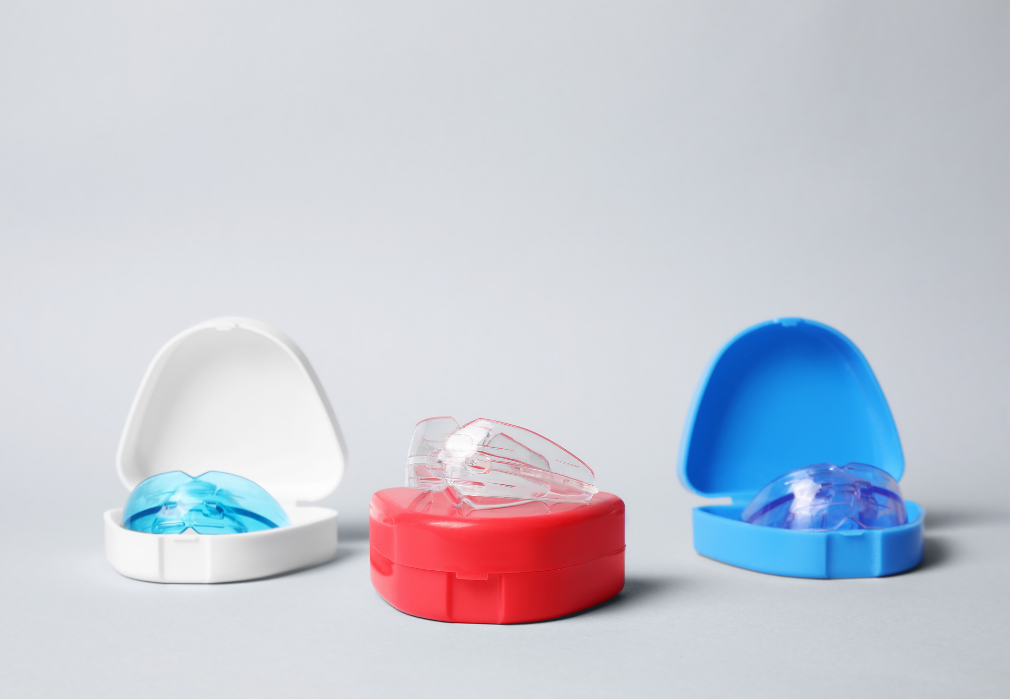
To ensure your guard remains effective and hygienic:
- Rinse it with cool water after each use
- Clean it with a soft toothbrush and mild soap (not toothpaste)
- Let it air dry before storing
- Keep it in a ventilated case
- Avoid exposing it to high heat (which can cause warping)
Key Questions About Mouth and Night Guards
- Can I use the same guard for sports and sleep?
Not recommended. Each type is built for a specific purpose, and using them interchangeably may reduce effectiveness or comfort. - What if I’m not in pain; do I still need one?
Many people with bruxism show no symptoms at first. Your dentist may spot early signs of wear that suggest a night guard would be beneficial. - Can I wear a guard with braces or implants?
Yes, custom-made guards can be designed to fit comfortably over braces, crowns, or other restorations.
When to Talk to Your Dentist
If you’re experiencing jaw pain, waking up with headaches, noticing tooth wear, or participating in sports, it might be time to explore your options. A simple conversation can help determine if a mouth guard or night guard is right for you.
At Henritze Dental Group, we take a personalized approach to dental protection. Whether you need a custom night guard to manage bruxism or a sports guard to protect your smile on the field, our team is here to help.
You can schedule a consultation, learn more about your options, or contact us directly by visiting henritzedental.com.