

If you’re missing one or more teeth, you may be exploring options to restore both function and aesthetics. Partial dentures are a trusted and versatile solution that can fill gaps in your smile without invasive procedures. With the integration of cutting-edge digital technology, the process of designing and fitting partial dentures has become more precise, comfortable, and efficient than ever before.
In this article, we’ll take an in-depth look at partial dentures, explain how modern digital scanners improve the treatment experience, and help you understand if this option could be right for you.
What Are Partial Dentures and How Do They Work?
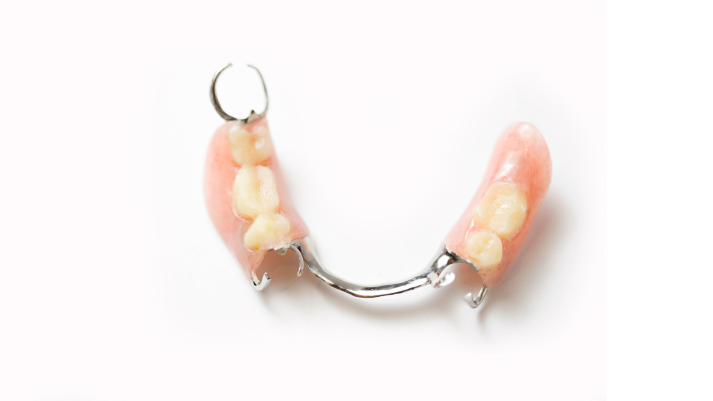
Partial dentures are removable dental appliances designed to replace several missing teeth while preserving your remaining natural teeth. Unlike full dentures, which replace an entire arch, partial dentures fill in the spaces caused by tooth loss and help maintain proper alignment of your bite.
There are several types of partial dentures available, including:
- Cast Metal Partial Dentures
These feature a durable metal framework with clasps that attach to natural teeth for stability.
- Acrylic Partial Dentures
Typically used as a temporary solution, they are lightweight and made with pink acrylic that mimics gum tissue.
- Flexible Partial Dentures
Crafted from soft, flexible nylon materials, these provide a comfortable, natural fit and blend seamlessly with gums.
- Implant-Supported Partial Dentures
For enhanced retention, these partials are anchored to dental implants placed in the jawbone, offering greater stability and function.
Each type has unique benefits and suitability depending on your oral health, lifestyle, and preferences. Your dentist will recommend the best option tailored to your needs.
Why Choose Partial Dentures Over Other Tooth Replacement Options?
Partial dentures offer a removable, non-invasive alternative to bridges and implants. They help restore chewing function, speech clarity, and facial support, while also preventing your natural teeth from shifting into empty spaces—an issue that can lead to bite problems and further tooth loss.
While implants provide fixed replacements, partial dentures offer flexibility and are adaptable to changes in your oral condition over time. This makes them a practical choice for many patients seeking effective tooth replacement.
How Are Digital Scanners Revolutionizing Partial Denture Fabrication?
Traditional denture impressions involve trays filled with impression material, which can be uncomfortable and sometimes messy. Today, digital intraoral scanners capture highly accurate 3D images of your teeth and gums quickly and comfortably, eliminating the need for traditional molds.
Benefits of Partial Dentures Enhanced by Digital Scanning
Partial dentures offer a practical and effective solution for replacing one or several missing teeth, helping you restore natural chewing and speaking ability while supporting your facial structure. With the aid of advanced digital scanning, the process has become even more precise and comfortable.
Here’s what you can expect from partial dentures crafted with digital scanning:
- Restore Function and Ease in Daily Life
Partial dentures help you chew and speak more naturally, while filling gaps to maintain your facial shape.
- Protect Remaining Teeth
They prevent surrounding teeth from shifting into empty spaces, preserving your bite and oral health.
- Custom Comfort
Digital impressions capture your unique oral anatomy with exceptional accuracy, leading to a precise, comfortable fit.
- Non-Invasive and Gentle
The scanning process is quick and painless, eliminating the discomfort and gag reflex often caused by traditional molds.
- Efficient Fabrication
Digital files are transmitted instantly to dental labs, streamlining denture design and reducing turnaround times.
- Collaborative Precision
Dentists can review detailed 3D models, ensuring your dentures meet high standards for function and appearance.
How Should You Care for Your Partial Dentures?
Proper maintenance is crucial to keep your partial dentures comfortable and functional. Key care tips include:
- Cleaning your dentures daily with a soft-bristle brush and denture-specific cleanser. Avoid regular toothpaste as it can be abrasive.
- Rinsing dentures after eating removes food particles.
- Soaking dentures overnight in a denture cleaning solution or plain water maintains their shape and cleanliness.
- Maintaining good oral hygiene by brushing your natural teeth, gums, tongue, and palate regularly.
- Handling dentures carefully to avoid damage.
- Scheduling regular dental check-ups for adjustments and to monitor oral health.
- Consistent care extends the life of your dentures and contributes to your overall oral wellness.
Are Partial Dentures Right for You?
Partial dentures are an excellent option if you:
- Are missing several teeth, but still retain healthy natural teeth.
- Desire a removable tooth replacement solution.
- Seek a custom, natural-looking restoration designed using advanced digital technology.